Build a small, useful cleaning kit for a studio or shared apartment, with safer product habits and a realistic cleaning routine. The goal is to make a practical choice using what you have, rather than buying more products by default.
Start with surfaces, not products
Walk through your home and note what you actually clean: countertop, sink, bathroom, floor and perhaps a stovetop. Many apartments need only a few tools, not a cupboard of specialist bottles. Always check surface care instructions before using a product, especially on stone, wood, coated appliances and delicate finishes.
The compact starter kit
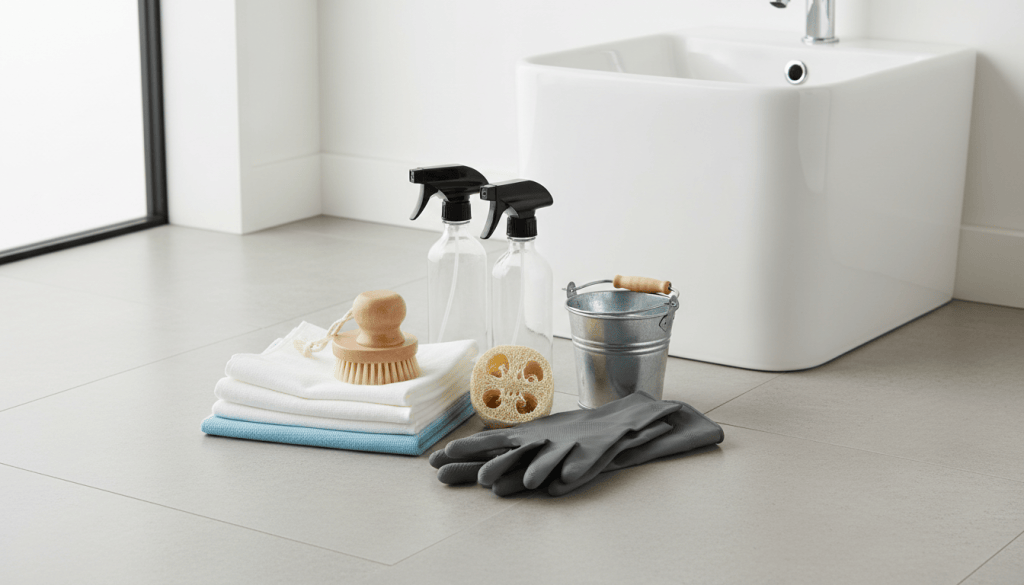
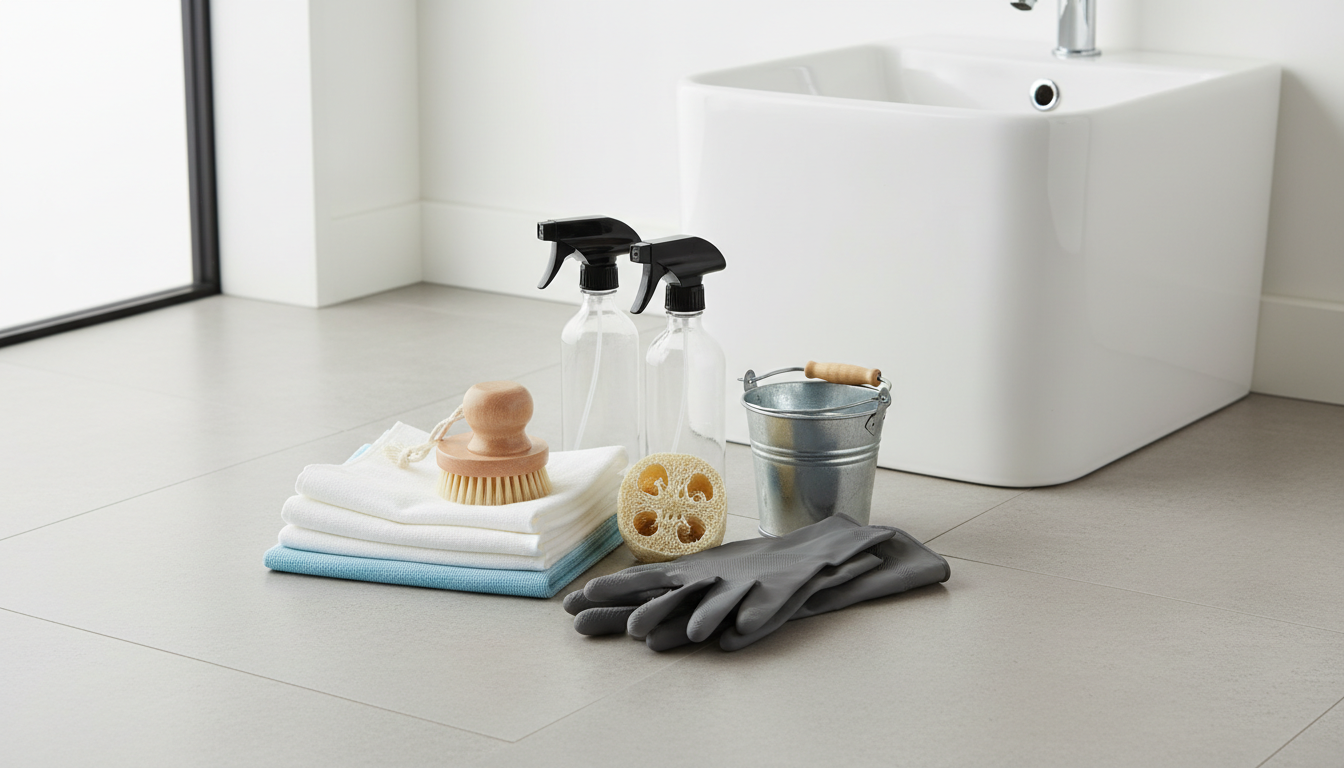
A practical starting point is several washable cloths, a non-scratch sponge appropriate for your surfaces, a small brush for grout or corners, a toilet brush where needed, gloves if the cleaner label recommends them, a broom or vacuum appropriate for the floor, and a modest supply of compatible cleaning products. Separate cloths for kitchen surfaces and bathroom fixtures to reduce cross-contamination. Let reusable tools dry fully between uses.
Choose cleaners by task
A mild dish detergent can handle many ordinary washable kitchen items; a suitable general surface cleaner may cover much of the rest. For bathrooms, choose products specifically labeled for the surface and the job. Cleaning removes soil; disinfecting is a separate step that may be needed in certain situations. If disinfection is necessary, follow the product label, including dilution, ventilation and contact time. More concentrated does not automatically mean more effective or safer.
Avoid dangerous chemical combinations
Never mix bleach with ammonia, acids such as vinegar, or other cleaners: hazardous gases can form. Do not transfer cleaners into drink bottles. Keep original labels attached and store products away from food and children. Even familiar products can irritate skin or eyes, so use protective equipment and ventilation where directed.
A routine that fits small spaces
Instead of a long weekend session, try a few small tasks. Wipe kitchen worktops after preparing food, dry the sink area when convenient, take rubbish out before odors build, and do a weekly reset of the bathroom and floors. Clean spills promptly rather than leaving them to harden. In shared accommodation, write down who handles which common areas to avoid duplication and frustration.
What can wait
Specialty steam machines, collections of scented sprays and duplicate scrubbers are usually optional. Buy a special tool only after you identify a persistent job your basic kit cannot handle. Storage matters too: keep a dry, ventilated place for cloths and brushes instead of a tightly sealed damp bucket. If storage is difficult, our small-room organization guide has useful principles that also apply to utility corners.
Bottom line
Start small, check the relevant care and safety instructions, and only purchase something when it solves a recurring problem. A workable routine is more useful than a perfect-looking collection of accessories.


Leave a Reply